Photographer
Bahman
Aryana
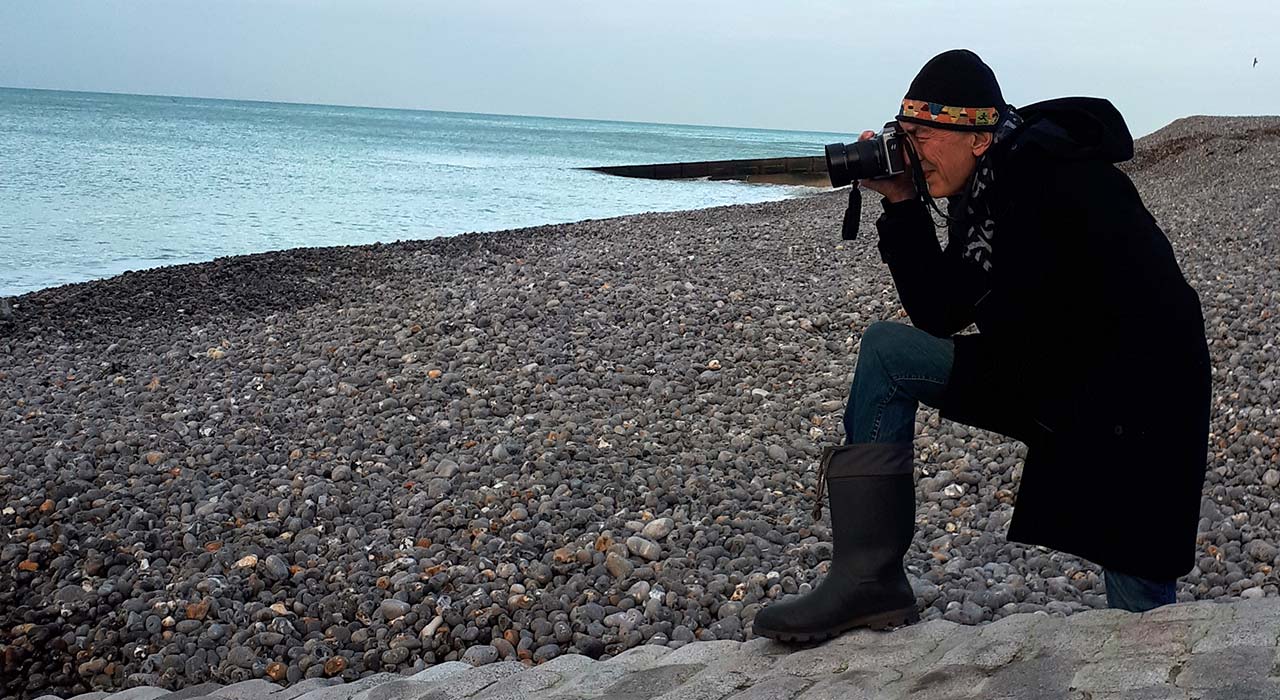
Bahman Aryana, born in 1944 in Iran, discovered photography at an early age. At six, he received an Agfa box camera, followed by a Rolleiflex 3.5 A on his twelfth birthday—an instrument that decisively shaped his photographic vision. By the age of sixteen, he had built his own darkroom and was already deeply engaged with the medium.
Trained as an engineer, Aryana initially pursued photography professionally, focusing on art and architectural photography. Although he later stepped away from professional practice, photography remained a lifelong passion and an essential form of artistic expression.
In 1979, Aryana was forced into exile, leaving behind his laboratory, equipment, and entire photographic archive, all of which were confiscated. Living first in France and later in the United States, he continued to explore photography alongside conceptual art and architecture. Encounters with influential artists, including Christian Boltanski, played a decisive role in shaping his artistic approach and led to the development of his concept of “Virtual Subject” photography.
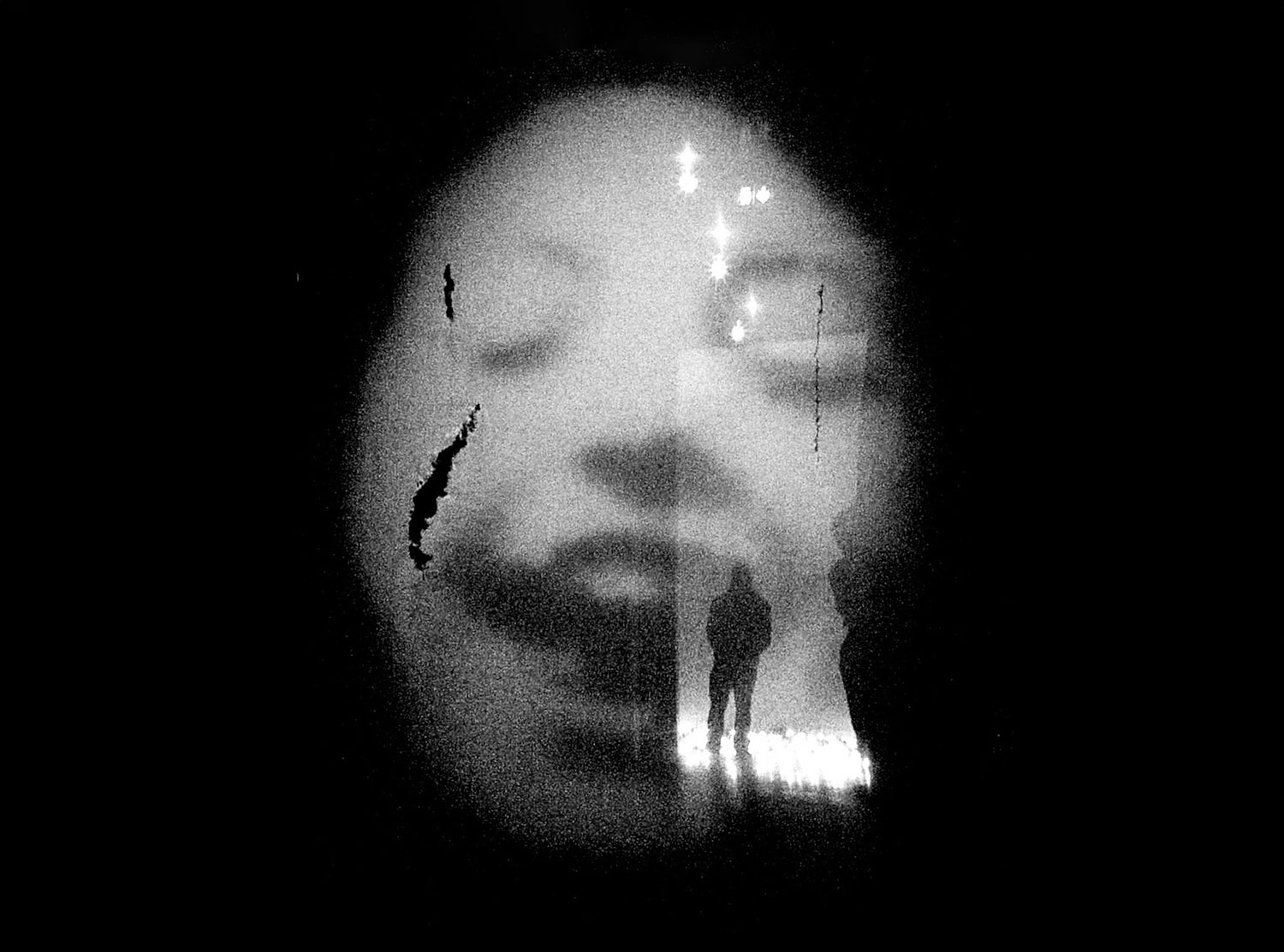
For more than eight years, Aryana has been refining this technique, which involves photographing pre-existing projected images—both two- and three-dimensional—integrated with real elements or human presence. By capturing projections on semi-transparent surfaces from shifting viewpoints, his work reveals subtle distortions and layered realities that challenge conventional notions of subject, space, and perception.
Rooted in an analog tradition, Aryana works exclusively in-camera. He does not use AI, digital compositing, or image manipulation techniques. Post-processing is limited to minimal cropping and tonal adjustment. Faithful to the integrity of black-and-white photography, all color images are converted to monochrome as part of his artistic process.
His practice is driven by artistic exploration rather than commercial intent. As such, he uses any camera at hand—from mobile devices to Micro Four Thirds, full-frame, medium-format, and large-format systems.
In 2025, two of his works, Crie and Direction Opposée, were selected as finalists in the Fine Art Awards 2025 of the international Dodho Magazine Photography Competition.
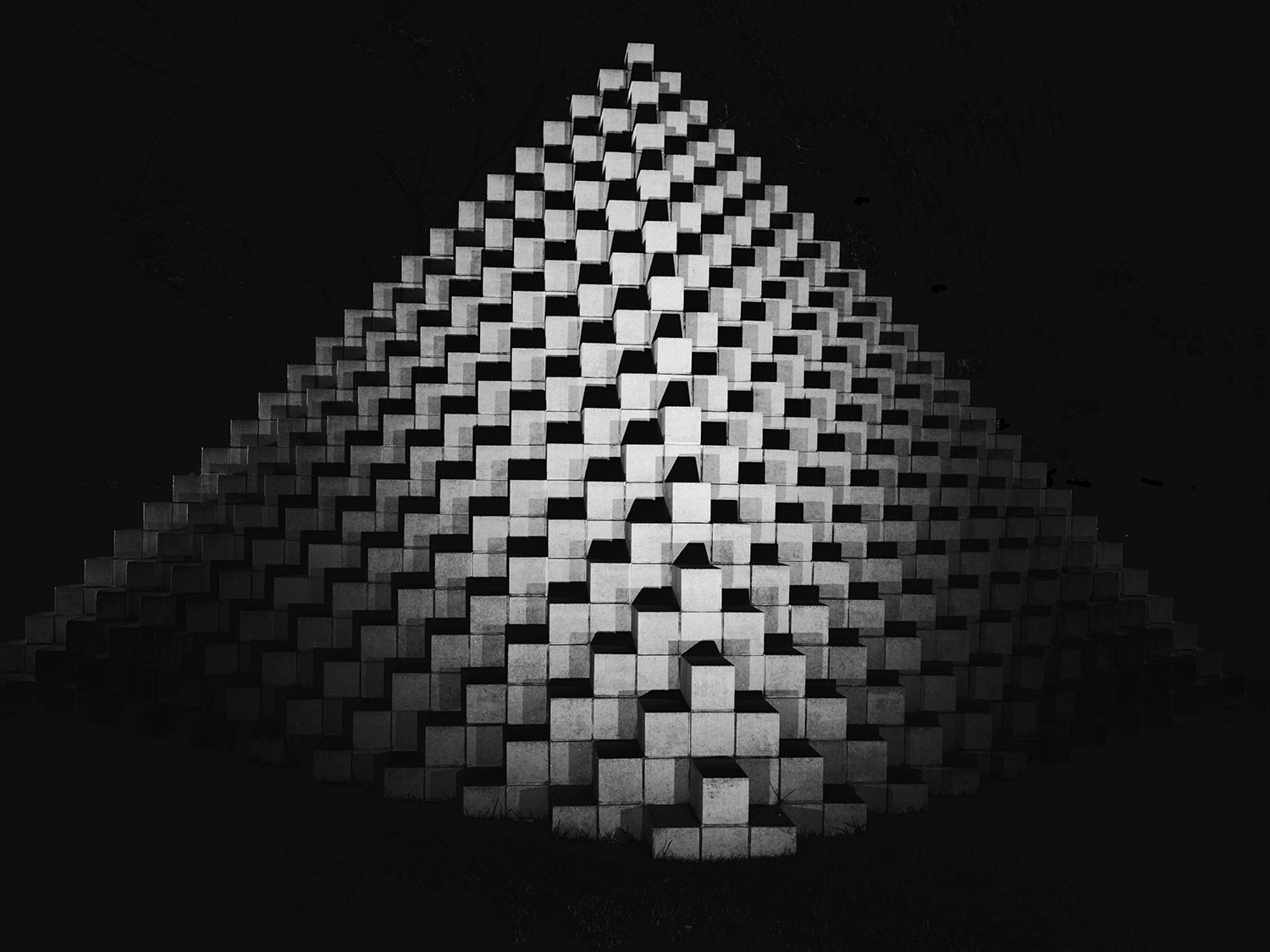
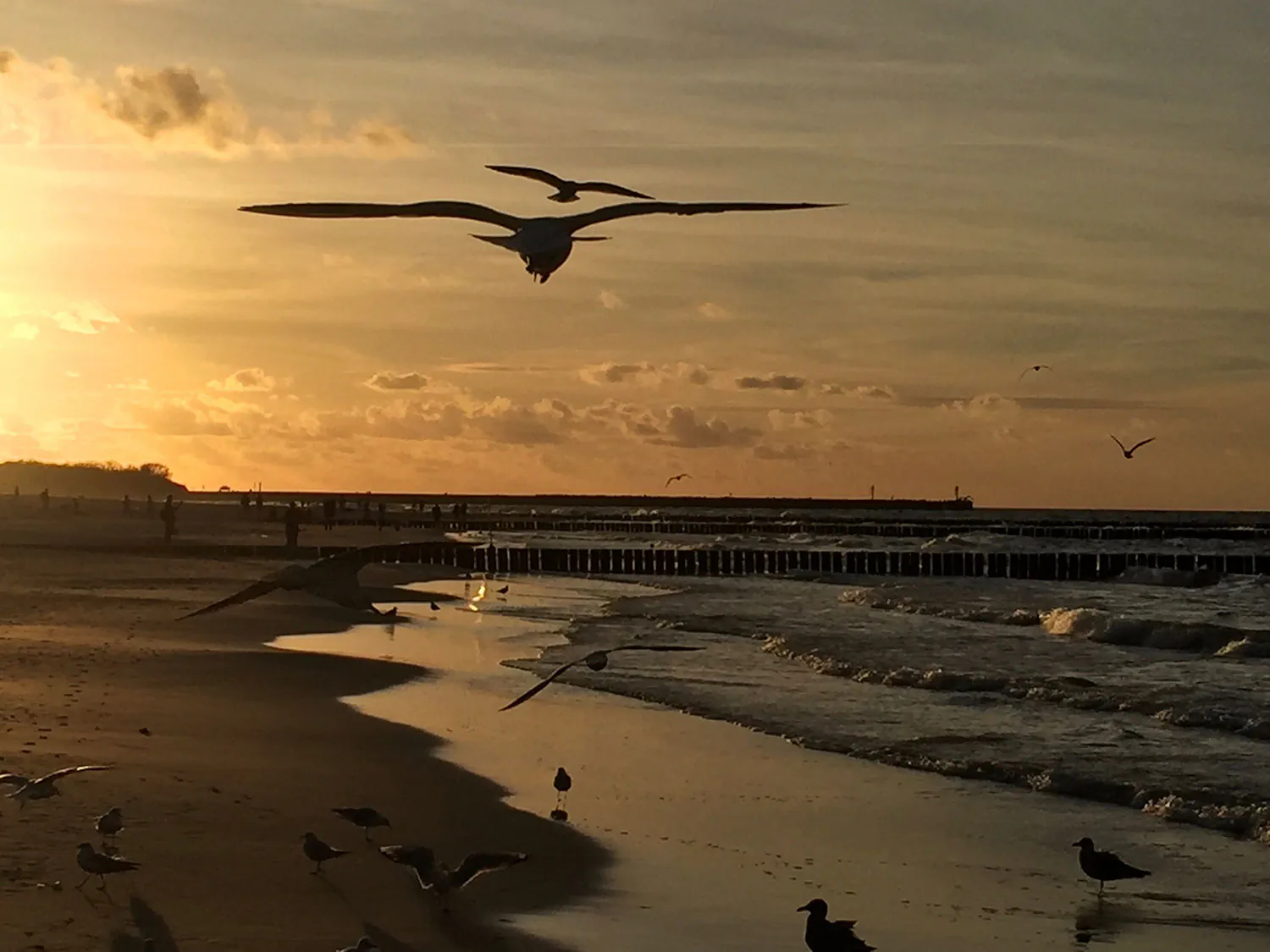
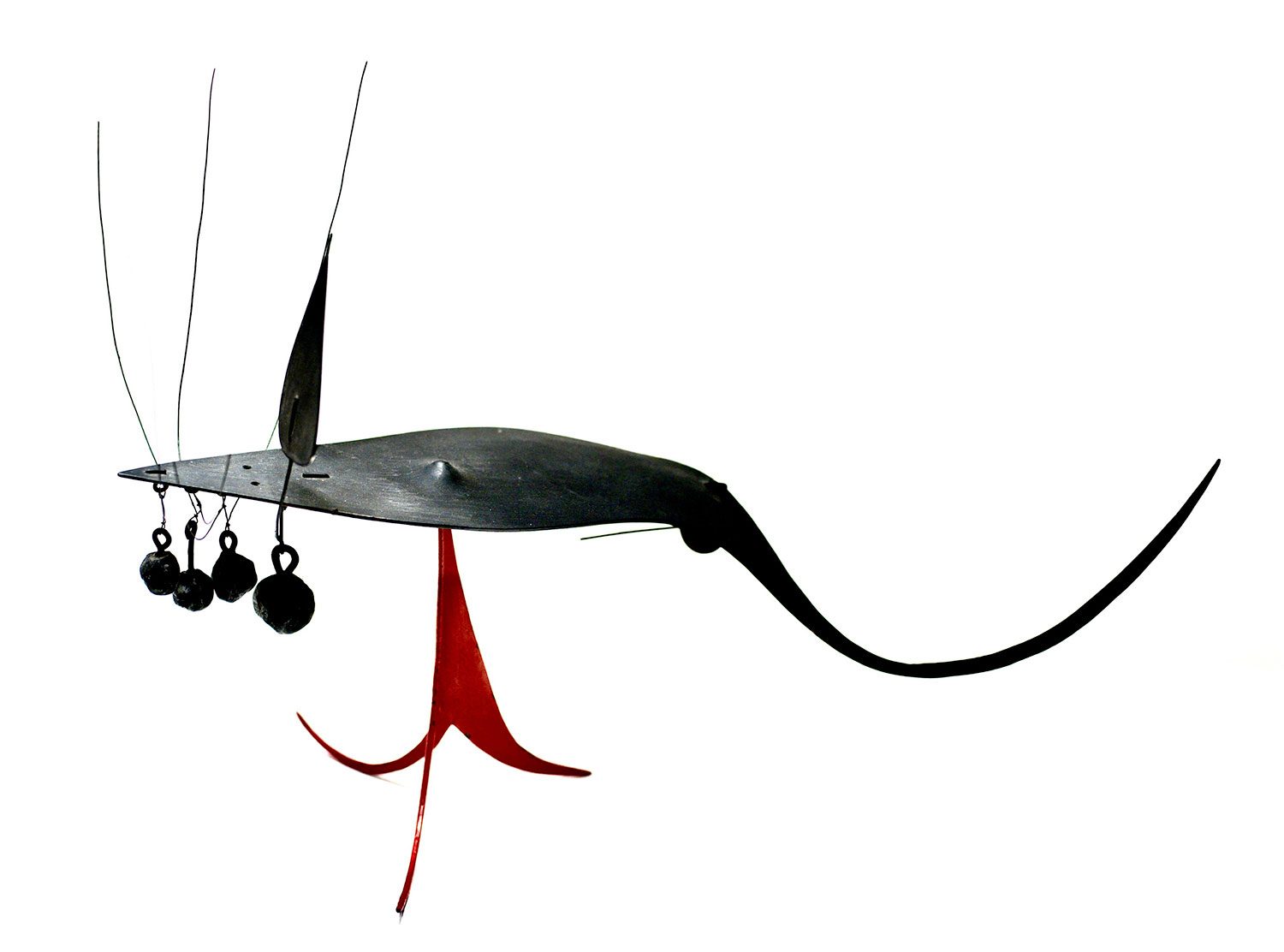
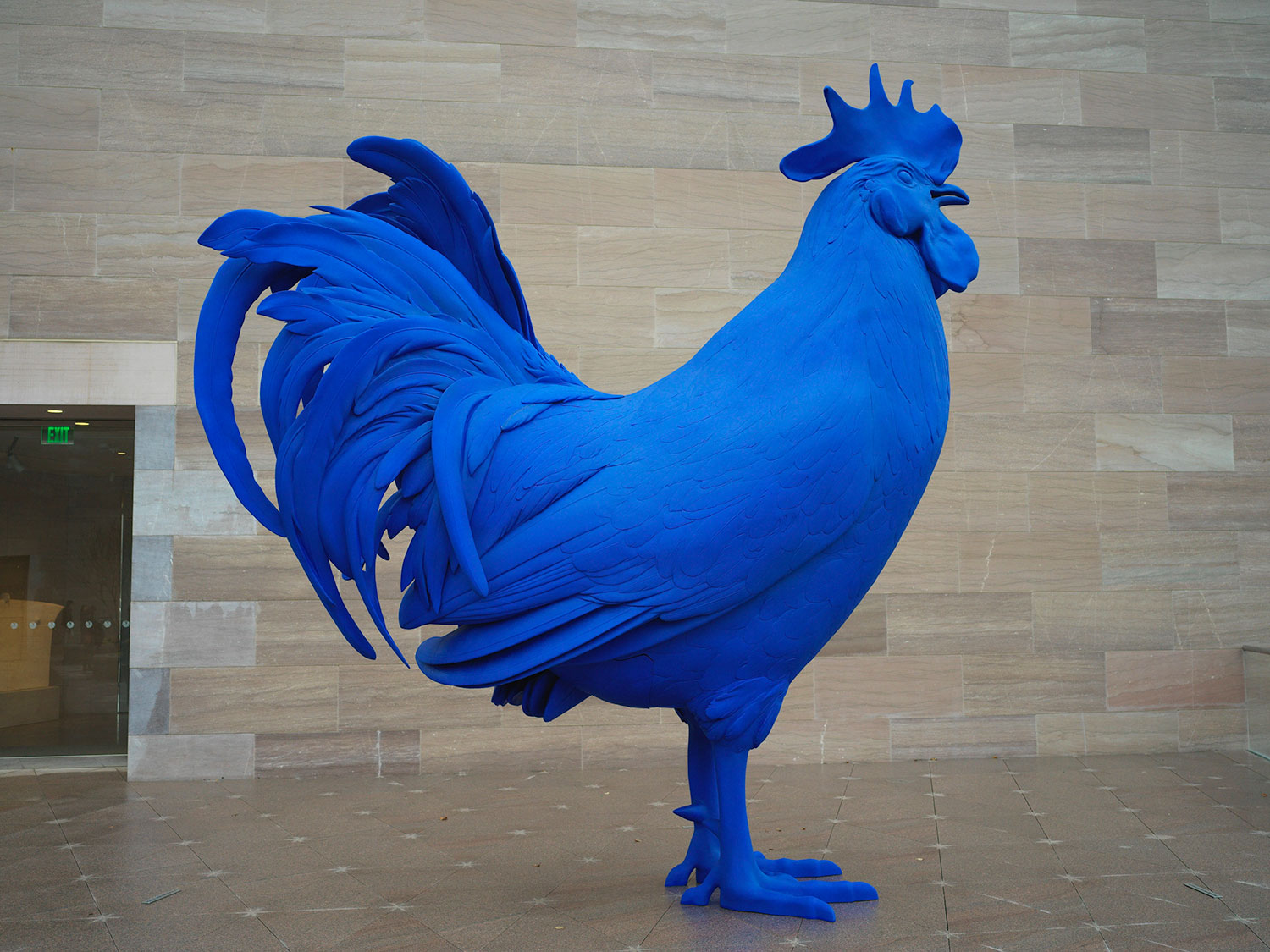

Architecture
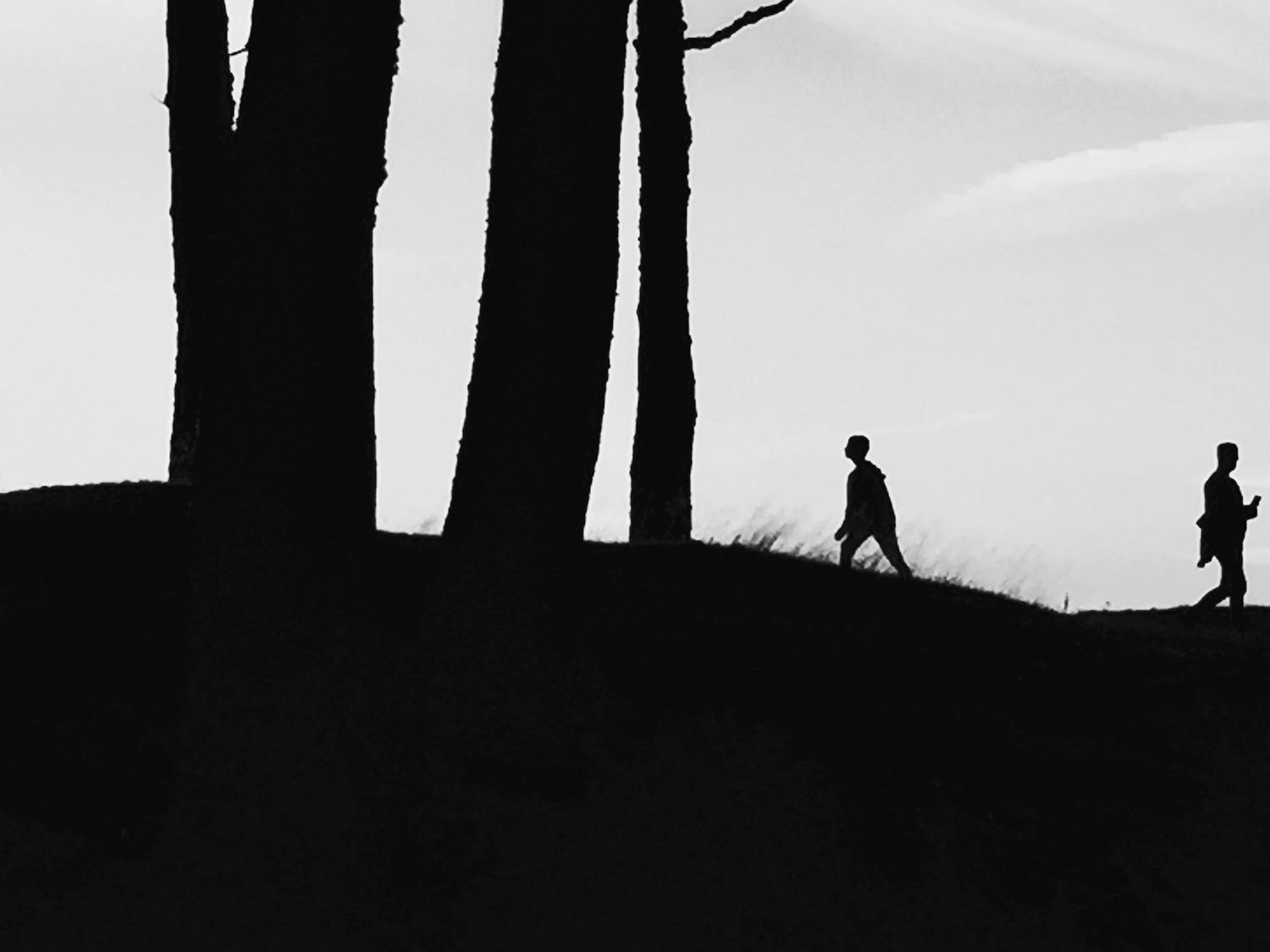
Architecture photography transcends mere representation, capturing the essence and narrative woven into every structure. Each photograph is an exploration of form and function, where light dances across surfaces and shadows breathe life into geometry.

Conceptual
Conceptual photography invites viewers into a realm where the boundaries of reality blur, allowing imagination to flourish. Each image serves as a visual poem, conveying complex ideas and emotions through symbolism and abstraction.

Once upon a time
In a world where stories unfold with every click of the shutter, I invite you to journey through time, capturing the echoes of moments past. Each frame tells a tale of light and shadow, where ancient structures and landscapes whisper their histories.

My abstract view
In the interplay of light and texture, my abstract view emerges as a vivid projection on fabric, where colors meld and shapes transform, inviting the viewer into a realm where reality and imagination coalesce. Exploringing the often changing impressions by lighting and viewing angle.

Nature

People
People photography is an intimate exploration of the human experience, a celebration of individuality and connection that transcends the surface. Each portrait captures a fleeting moment, revealing the emotions, stories, and spirit of the subject within a single frame.